Painters use all three tools, often on the same job. The question is not which one is best, but which one fits the surface in front of you. Here is how we decide, plus a short guide to choosing the right sheen, since the finish matters as much as the tool.
The short answer
| Surface | Best tool | Why |
|---|---|---|
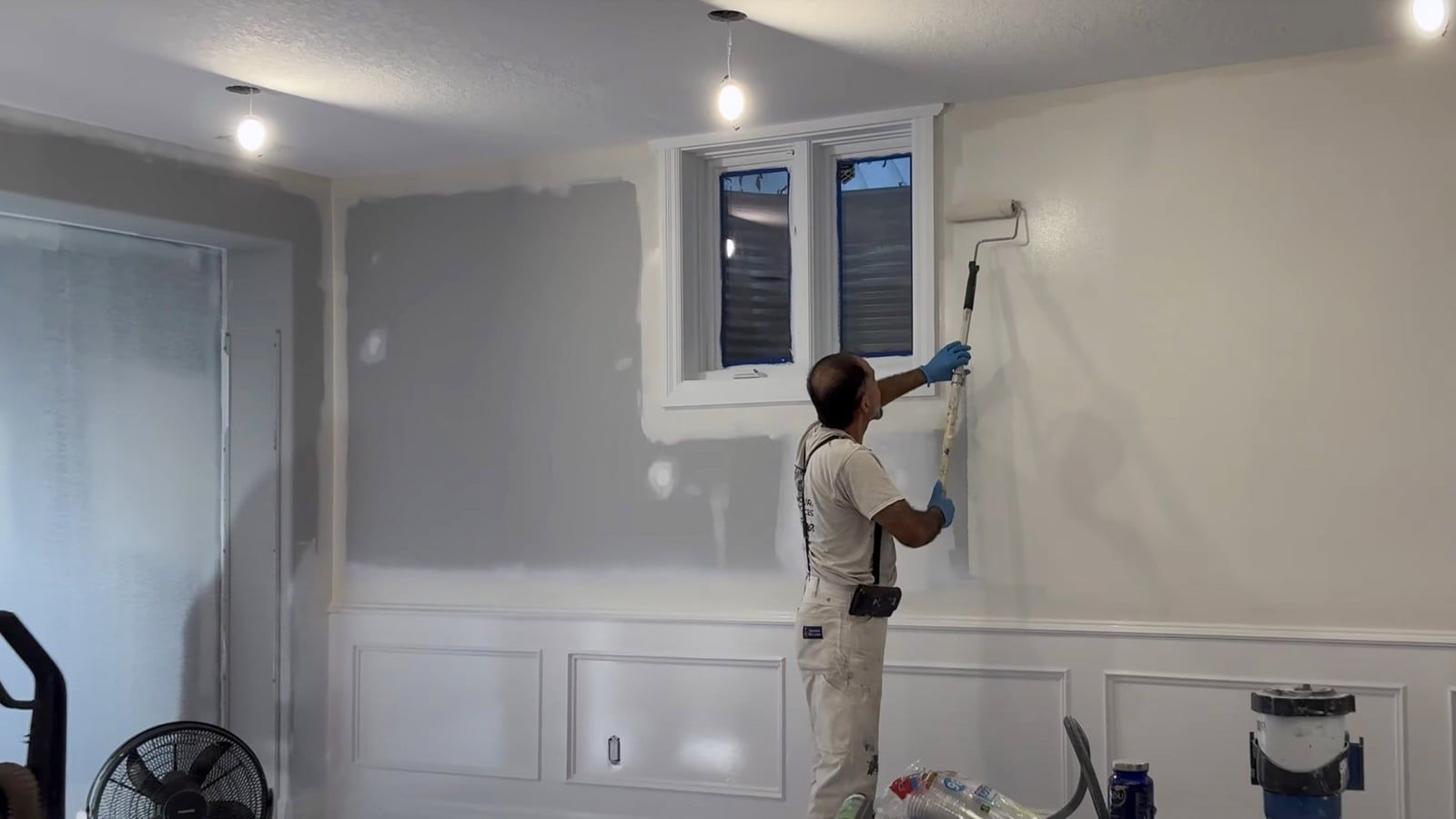
| Walls | Roller, with a brush to cut in | Fast, even coverage and a light texture that hides small flaws |
| Ceilings | Roller on an extension pole | Even coverage without a ladder for every stroke |
| Edges and corners | Brush | Clean lines where walls meet ceilings and trim |
| Trim and baseboards | Brush, or sprayer in an empty room | Control on narrow surfaces |
| Interior doors | Sprayer or brush and small roller | A smooth finish with no brush marks |
| Cabinets | Sprayer | The smoothest, most even finish |
| Large empty rooms, new drywall | Sprayer, then back-roll | Speed on big areas with nothing to protect |
Brushing
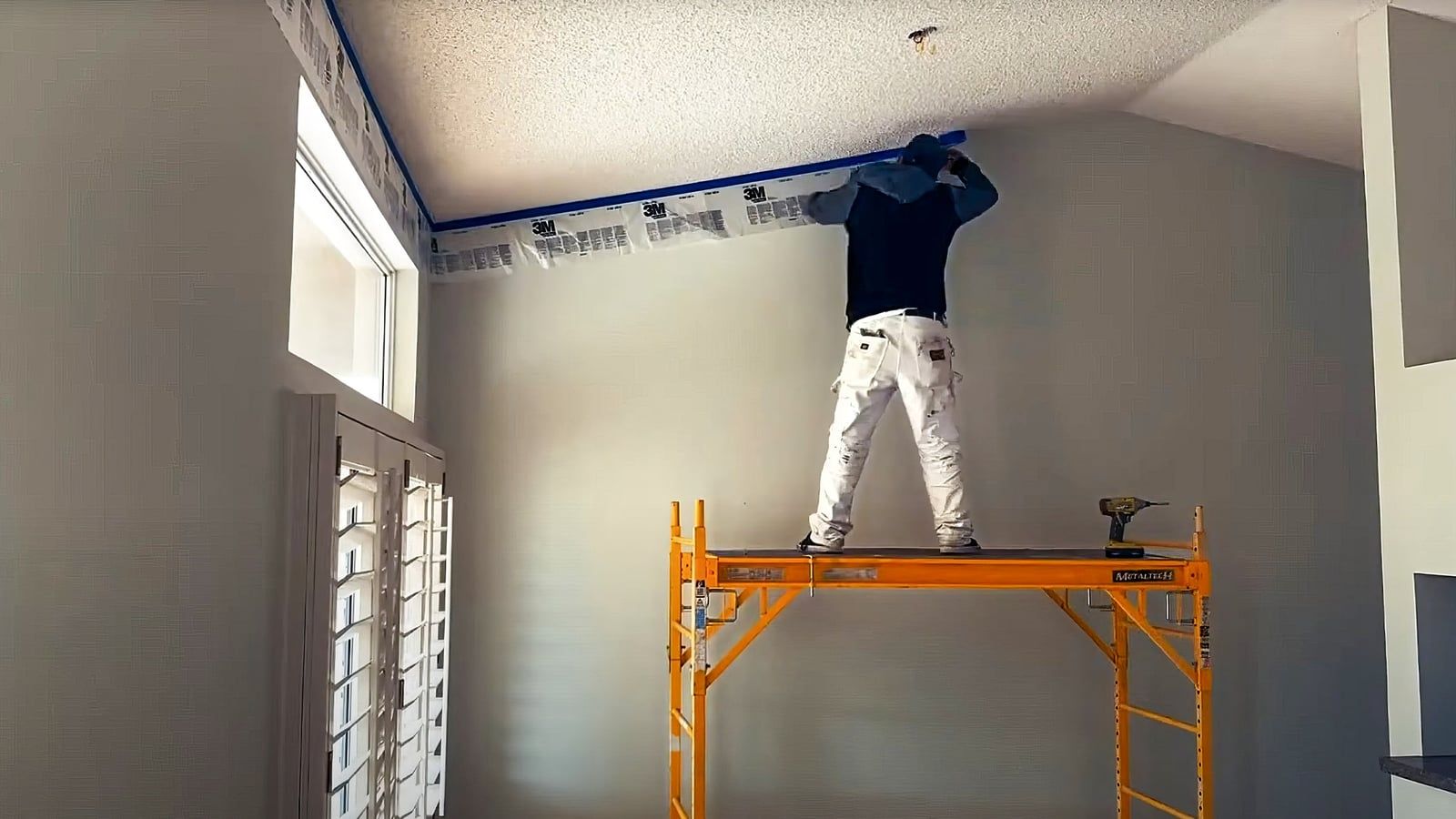
A good angled brush is still the most important tool in painting. It is how you cut in: painting a clean line along the ceiling, around windows, door frames and outlets before the roller fills in the wall.
Use a brush for: cutting in, trim, window frames, small repairs and touch-ups.
Tips: buy a quality 2 to 2.5 inch angled sash brush. Load only the lower third of the bristles, and keep a wet edge so the brush strokes blend.
Downside: slow on large areas, and brush marks can show on doors and cabinets with glossier paint.
Rolling
Rollers cover walls and ceilings quickly and leave a light stipple texture that hides small imperfections.
Use a roller for: walls, ceilings and flat doors.
Pick the nap by the surface:
- 3/8 inch for smooth walls and most drywall;
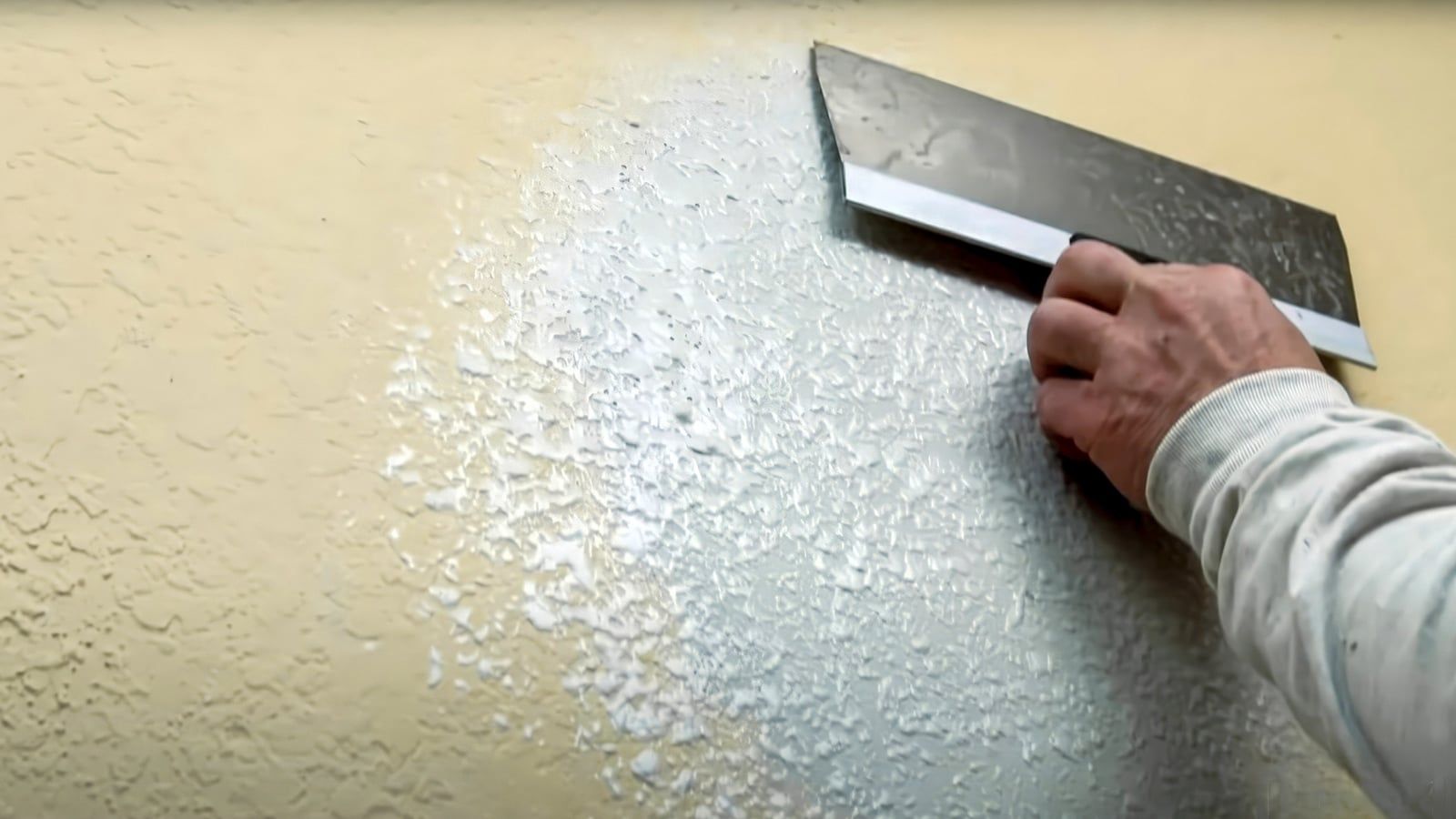
- 1/2 inch for light texture, like orange peel or knockdown, common in Texas homes;
- 3/4 inch for heavy texture.
Tips: roll in a W pattern, then fill in without lifting the roller. Keep a wet edge and finish each wall in one go, or you will see lap marks where dry and wet paint overlap.
Spraying
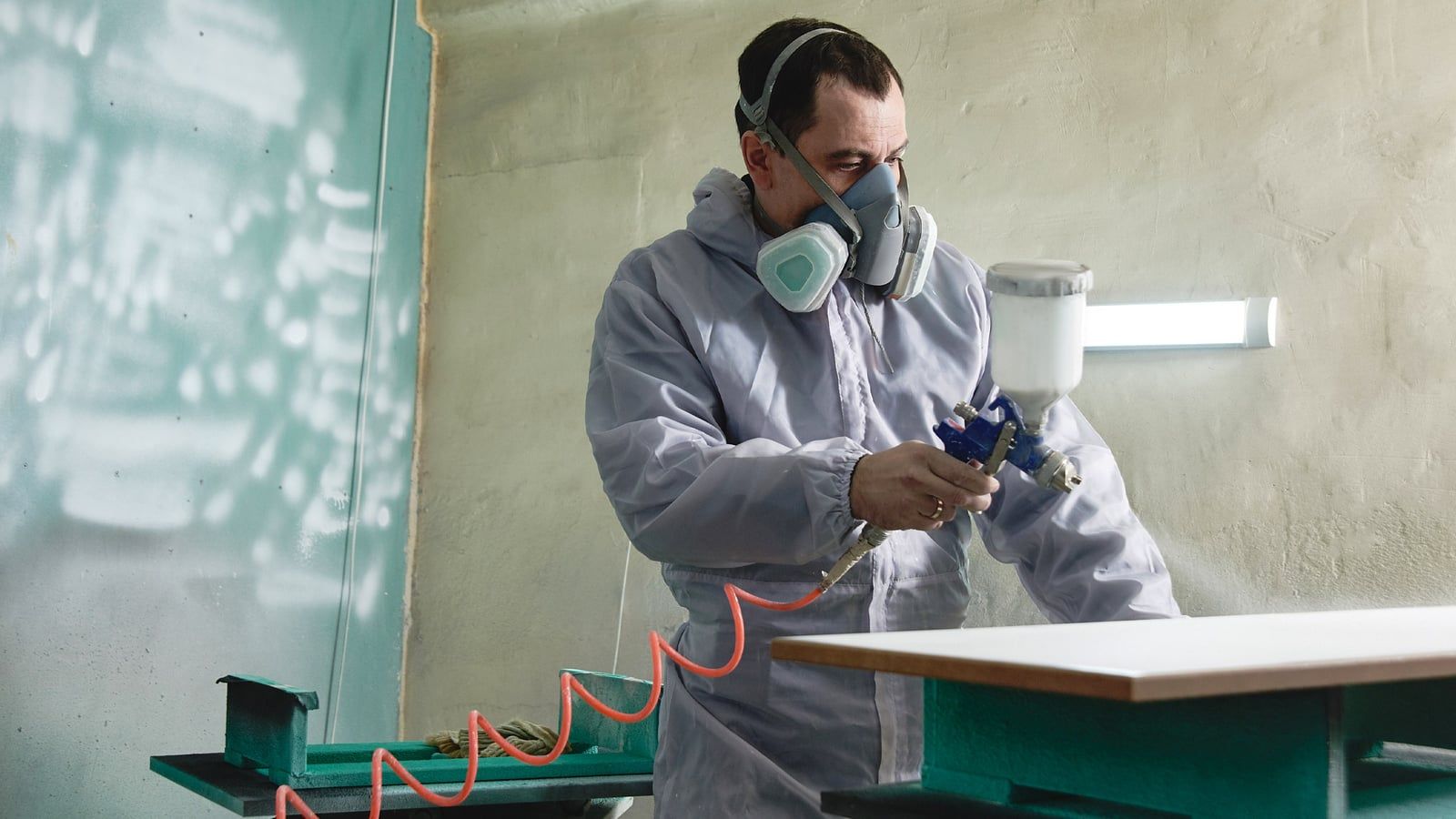
An airless sprayer puts on a thin, even coat very quickly. It gives the smoothest finish on doors, trim and cabinets.
Use a sprayer for: empty rooms, new construction, doors, trim and cabinets.
The catch: everything that is not being painted has to be covered, because paint mist travels. Floors, windows, outlets and furniture are masked first, which takes time. That is why spraying pays off in large or empty spaces and is rarely worth it for one furnished room.
Back-rolling: on walls, painters often spray and then roll over the wet paint. This works the paint into the surface and gives the same texture as the rest of the wall.
Which sheen to use
The sheen, or finish, decides how the paint looks and how well it stands up to cleaning. As a rule, the shinier the finish, the more washable it is, and the more it shows flaws in the wall.
| Finish | Best for | Notes |
|---|---|---|
| Flat or matte | Ceilings, low-traffic rooms | Hides wall flaws best, hardest to clean |
| Eggshell | Living rooms, bedrooms, hallways | The most common wall finish, light sheen, wipes clean |
| Satin | Kitchens, bathrooms, kids’ rooms | More washable, handles moisture better |
| Semi-gloss | Trim, baseboards, doors, cabinets | Durable and easy to clean, shows brush marks |
| High gloss | Front doors, accents | Very durable, shows every flaw |
Best interior paint finish for most homes: eggshell on the walls, flat on the ceilings, semi-gloss on trim and doors. In bathrooms and kitchens, step up to satin on the walls.
How we handle it on a job
Our lead painter looks at every surface and decides how to prep it and which tools to use. On a typical interior job we brush and roll in furnished rooms and spray where the space is empty or the surface needs a smooth finish, like doors and cabinets. Floors and furniture are covered before any paint is opened, and we clean up every day.
See what is included in our interior painting and cabinet painting services, or call (713) 489-3811 for a free on-site quote in Richmond, Katy, Sugar Land and across Fort Bend County.