Most paint problems are not caused by the paint. They come from what happened before the first coat: a wall that was not cleaned, a patch that was not primed, or a glossy surface that was painted over as is. Here are the problems we see most often when we repaint homes, what causes them, and how to avoid them.
1. Peeling and flaking
What it looks like: paint lifting off in strips or flakes, often in bathrooms, around windows or over old glossy trim.
Common causes:
- painting over dust, grease or soap film;
- moisture in the wall, from a leak or a bathroom without good ventilation;
- latex paint over old oil-based paint without a bonding primer;
- painting over glossy paint without sanding.
How to avoid it: clean the walls, let them dry, and scuff glossy surfaces with fine sandpaper. If you are not sure whether old trim paint is oil-based, rub a small spot with a cotton ball and rubbing alcohol: if paint comes off, it is latex; if not, it is likely oil and needs a bonding primer.
Painting over peeling paint: do not. Scrape off everything loose, sand the edges smooth, prime the bare spots, and only then paint. New paint over peeling paint peels with it.
2. Lap marks
What it looks like: darker or shinier stripes where one roller pass overlapped paint that had already started to dry.
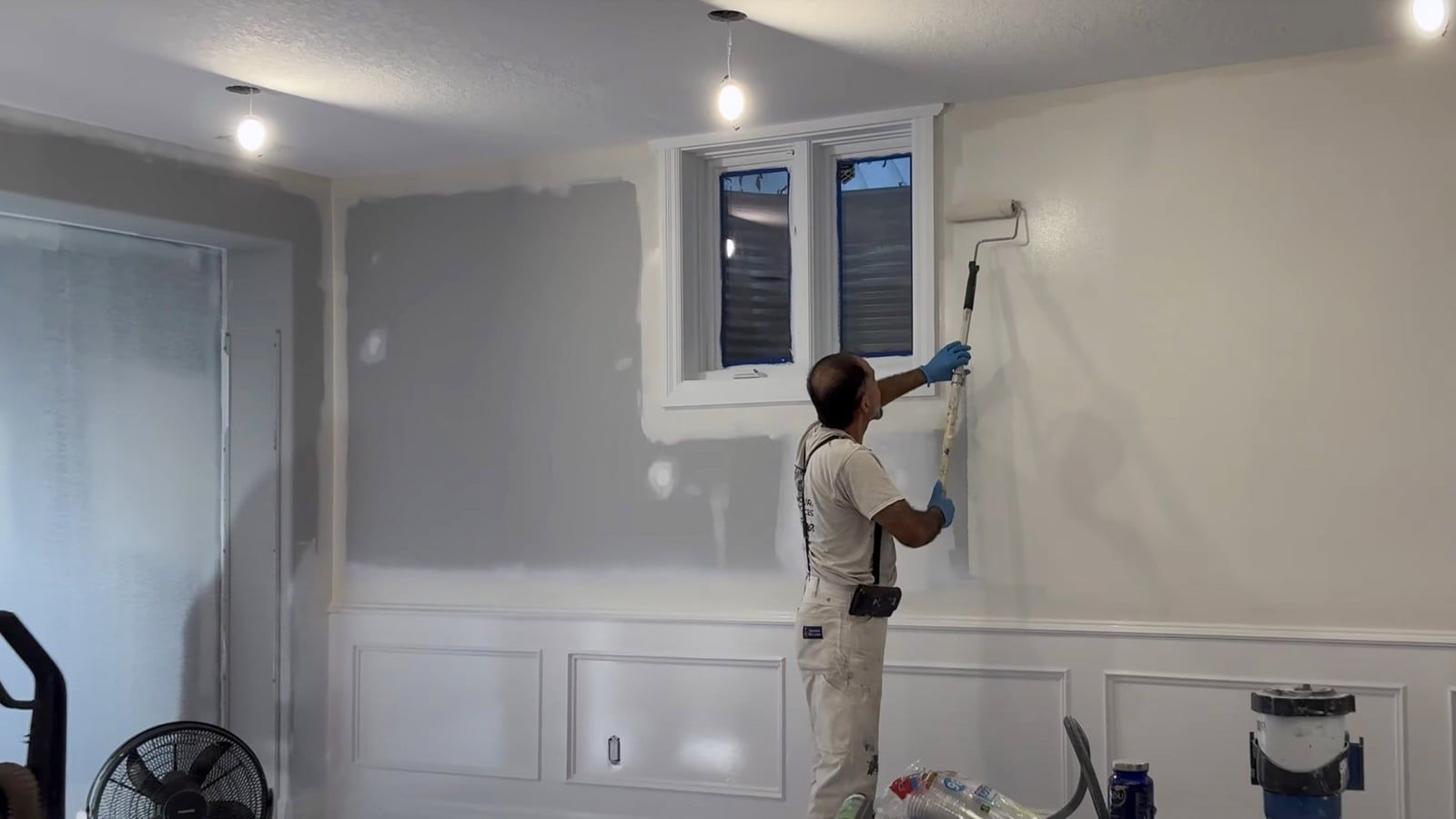
How to avoid it: keep a wet edge. Work one wall at a time, top to bottom, and do not stop in the middle of a wall. Load the roller fully and finish each section while the paint next to it is still wet.
3. Streaks and uneven coverage
What it looks like: visible roller lines, thin patches or the old color showing through.
Common causes: too little paint on the roller, the wrong nap for the wall texture, or one coat where two were needed.
How to avoid it: use a roller nap that matches your wall (3/8 inch for smooth, 1/2 inch for light texture), and plan on two coats. Going from dark to light, or to a deep color, often needs a primer coat first.
4. Flashing
What it looks like: shiny or dull spots that show at an angle, usually over patched areas.
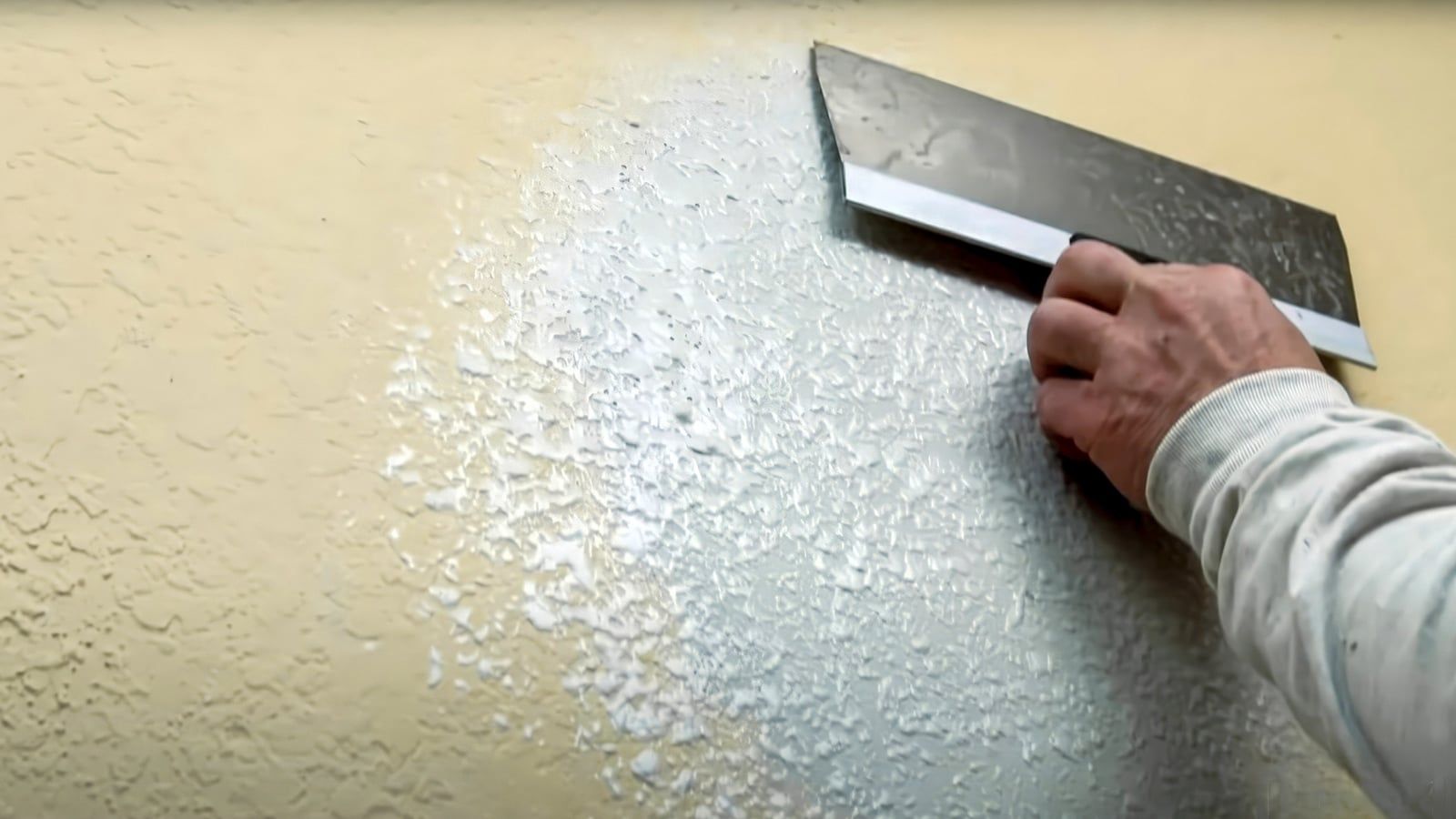
Cause: patching compound and bare drywall soak up paint differently than painted wall around them.
How to avoid it: spot-prime every patch before painting the wall. This is the step people skip most, and it is the one you notice every time the light hits the wall.
5. Stains bleeding through
What it looks like: water stains, marker or smoke marks reappearing through fresh paint, sometimes days later.
How to avoid it: seal stains with a stain-blocking primer first. Regular wall paint will not hold back water stains or tannins from wood. If a water stain is from a leak, fix the leak and check that the drywall is sound before painting. Soft or crumbling drywall needs repair, not paint.
6. Cracking
What it looks like: fine cracks in the paint film, sometimes in a spiderweb pattern.
Common causes: paint applied too thick, or a second coat rolled on before the first had dried.
How to avoid it: apply normal coats and follow the recoat time on the can. In humid weather, give paint extra time to dry.
7. The wrong sheen
What it looks like: walls that show every bump and patch, or a bathroom that will not wipe clean.
How to avoid it: match the sheen to the room. Eggshell for most walls, satin for kitchens and bathrooms, flat for ceilings, and semi-gloss for trim and doors. Our guide to brushes, rollers and sheens covers this in more detail.
8. Picking a color from a tiny chip
What it looks like: a color that looked right in the store and looks too dark, too bright or too cold on the wall.
How to avoid it: test a large sample on two walls and look at it in the morning, in the afternoon and with lamps on. Light in Texas homes changes a lot through the day, and so does the color.
Prep is most of the job
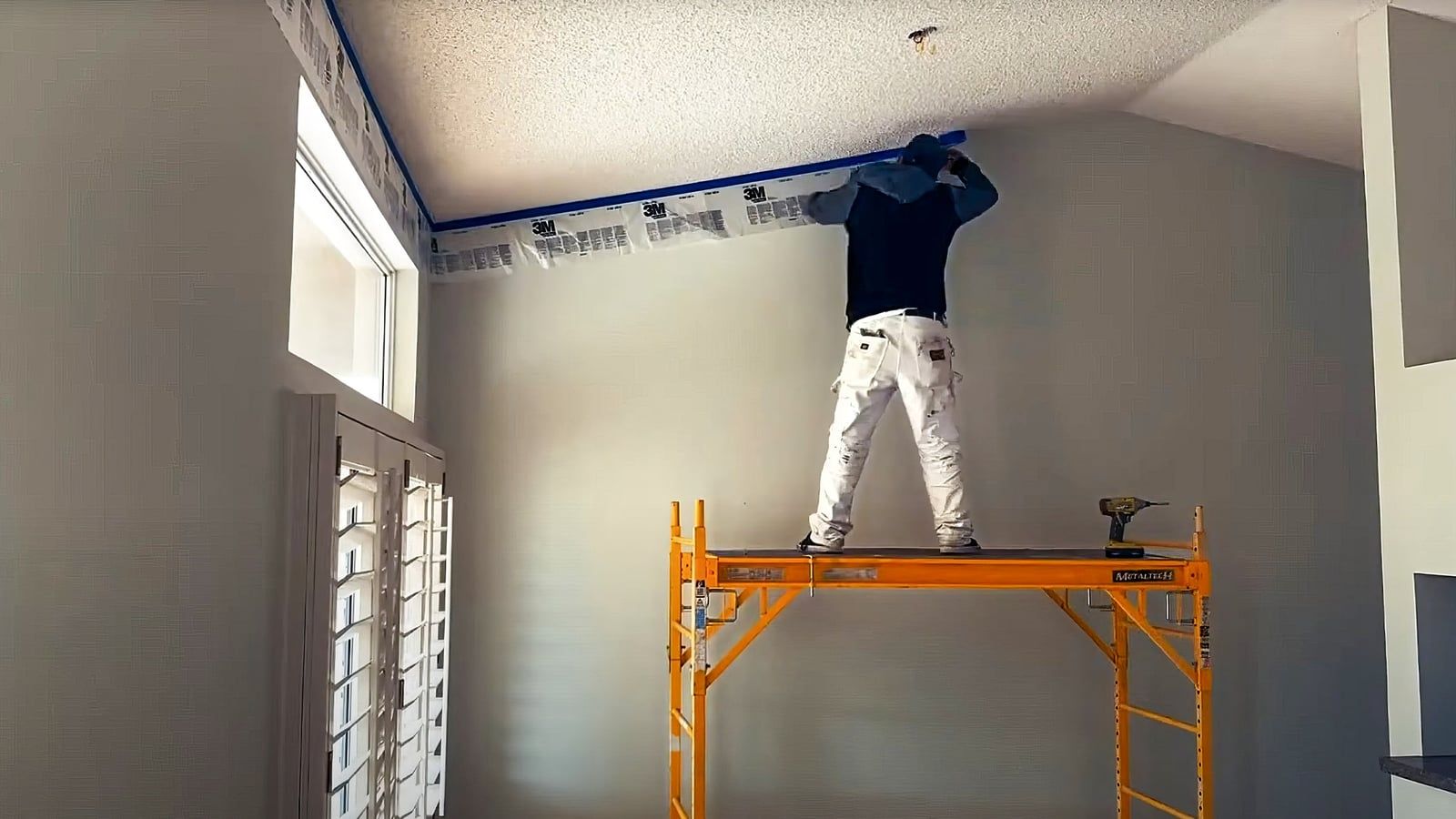
Almost every item on this list comes down to prep: cleaning, scraping, sanding, patching and priming. On our jobs, the lead painter checks every surface first and decides what it needs before any paint goes on. That is also why we cover floors and furniture first and clean up every day.
If your walls already show some of these problems, we can fix them as part of the job. See our interior painting service, or call (713) 489-3811 for a free on-site quote in Richmond, Katy, Sugar Land and across Fort Bend County.